

square vanity mirror with lights
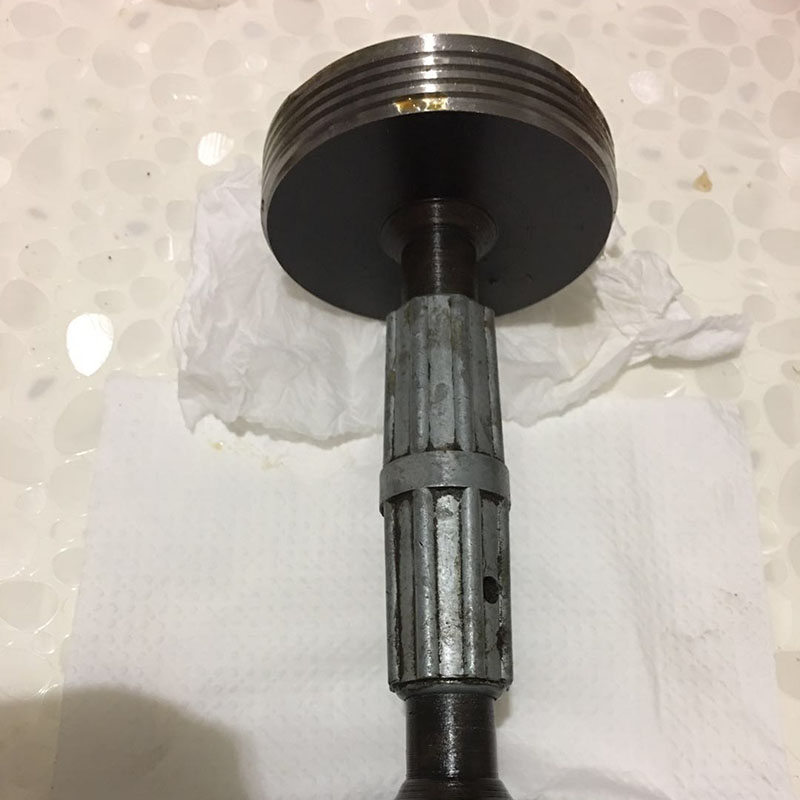
As a leading wholesale supplier in the precision measurement industry, Storaen (Cangzhou) International Trading Co. understands the critical role that Spline Gauge s play in ensuring manufacturing accuracy. Whether you're inspecting spline shafts for automotive, aerospace, or heavy machinery applications, adhering to Spline Gauge Standard s is non-negotiable. In this comprehensive guide, we’ll explore the importance of Spline Gauge Design , the advantages of using these tools, and how they streamline quality control in high-volume production. Understanding Spline Gauge Design for Optimal Performance The foundation of an effective Spline Gauge lies in its Spline Gauge Design . A well-engineered gauge ensures precise measurement of spline shaft dimensions, including outer diameter, slot width, and slot depth. The Spline Ring Gauge, for instance, is a specialized tool used to verify these parameters quickly and accurately. There are two primary types of ring gauges: stop gauges and through gauges. Stop gauges determine the maximum allowable dimensions of a spline shaft, ensuring it does not exceed specified tolerances. Through gauges, on the other hand, confirm whether a spline shaft can pass through, verifying its fit within acceptable limits. Advantages of Using Spline Ring Gauges: Advantage Description High Accuracy Ensures minimal tolerances, reducing defects and improving product quality. Efficiency in Inspection Provides immediate results, speeding up the quality control process. Measurement Consistency Standardizes production, reducing variability from manual measurements. Reliable Quality Assurance Quickly identifies deviations, allowing for prompt corrective actions. By integrating these gauges into your workflow, manufacturers can enhance precision while maintaining efficiency—a crucial factor for industries where tight tolerances are mandatory. Why Spline Gauge Standard Compliance Matters Adhering to Spline Gauge Standard s is essential for maintaining uniformity across manufacturing processes. These standards ensure that every Spline Gauge meets industry-specific requirements, guaranteeing compatibility and interchangeability of parts. For wholesale buyers, sourcing gauges that comply with recognized Spline Gauge Standard s means fewer production delays and higher customer satisfaction. Storaen (Cangzhou) International Trading Co. provides gauges that align with global specifications, ensuring seamless integration into your quality control systems. Key Applications of Spline Gauge s in Industrial Sectors Spline Gauge s are indispensable in industries where precision is critical. Some of the most common applications include: Automotive Manufacturing: Ensuring gear shafts and transmission components meet exact specifications. Aerospace Engineering: Verifying the integrity of high-stress spline connections. Heavy Machinery: Maintaining the durability and performance of large-scale mechanical systems. By investing in high-quality Spline Gauge s , manufacturers can avoid costly reworks and ensure long-term reliability in their products. Choosing the Right Spline Gauge for Your Needs Selecting the appropriate Spline Gauge depends on several factors, including the type of spline shaft, required tolerances, and industry standards. Storaen (Cangzhou) International Trading Co. offers a wide range of gauges designed for various applications, ensuring you find the perfect fit for your manufacturing needs. FAQ S a bout Spline Gauge What is the primary function of a spline ring gauge in spline gauge applications? The Spline Ring Gauge serves as a precision inspection tool that verifies critical spline shaft dimensions—including outer diameter, slot width, and depth—against Spline Gauge Standard s . By assessing whether components meet exact tolerances, it ensures proper fit and function in mechanical assemblies. This essential Spline Gauge Design element guarantees manufacturing consistency while preventing costly errors in high-precision industries. How do stop gauges and through gauges differ in spline gauge applications? Stop gauges verify the maximum permissible dimensions of a spline shaft under Spline Gauge Standard s , preventing oversizing. Through gauges test if the shaft fits within the minimum required clearance, ensuring proper assembly. Both types follow strict Spline Gauge Design principles to maintain measurement accuracy in manufacturing quality control processes. Why is spline gauge standard compliance important? Compliance with Spline Gauge Standard s ensures consistency, reliability, and interchangeability of parts across different manufacturers. It reduces errors and enhances quality control in high-precision industries. Which industries benefit most from spline gauge s? Industries such as automotive, aerospace, and heavy machinery rely heavily on Spline Gauge s to maintain precision in gear and shaft manufacturing, where even minor deviations can lead to significant performance issues. How does spline gauge design impact measurement accuracy? A well-optimized Spline Gauge Design ensures tight tolerances and repeatable measurements, minimizing human error and improving overall production efficiency. Proper design also extends the tool’s lifespan, providing long-term cost savings. In today’s competitive manufacturing landscape, maintaining exacting standards is non-negotiable. By integrating properly designed Spline Gauge s into your quality control process, you ensure every component meets rigorous specifications. Storaen (Cangzhou) International Trading Co. provides industry-leading inspection tools that align with global Spline Gauge Standard s , giving you the confidence that your products will perform flawlessly. Whether verifying shaft dimensions or confirming assembly tolerances, the right Spline Gauge Design makes all the difference in efficiency and reliability. Don't leave precision to chance - equip your operation with gauges that deliver consistent, trustworthy results every time.
about
square vanity mirror with lights
Understanding Internal Bore Gauges A Key Tool in Precision Measurement In the world of manufacturing and engineering, precision is paramount. Components must meet exact specifications to ensure proper fit and function, especially in industries such as automotive, aerospace, and machinery. One of the essential tools in achieving this accuracy is the internal bore gauge. This specialized instrument plays a critical role in measuring the internal diameters of cylindrical objects, such as boreholes and pipes, where traditional measurement methods may fall short. What is an Internal Bore Gauge? An internal bore gauge is designed specifically for measuring the inside dimensions of holes, tubes, and other cylindrical objects. Unlike external calipers that measure the outside diameter, bore gauges focus on internal features, providing precision measurements crucial for quality control and assessment. These gauges come in various forms, with some utilizing mechanical means and others relying on electronic technology to provide readouts. Types of Internal Bore Gauges There are primarily two types of internal bore gauges – mechanical and electronic . 1. Mechanical Bore Gauges These gauges often consist of a set of extending arms or probes that fit inside the bore. The user inserts the tool into the bore, expands the arms to contact the internal surface, and then removes it for measurement against a calibrated reference or measuring scale. Mechanical gauges are durable, straightforward, and usually do not require batteries or complex calibration. 2. Electronic Bore Gauges These modern devices use electronic sensors to measure dimensions automatically. They often come equipped with digital displays that provide instantaneous readings, making them faster and easier to use than their mechanical counterparts. Additionally, many electronic bore gauges can interface with computer systems for data collection and analysis, enhancing workflow efficiency in manufacturing environments. How to Use an Internal Bore Gauge Using an internal bore gauge involves several straightforward steps internal bore gauge 1. Preparation Ensure the gauge is clean and well-calibrated. Understand the specifications of the bore you intend to measure. 2. Insertion Carefully insert the gauge into the bore, avoiding any force that could potentially damage the measuring instrument or alter the bore’s dimensions. 3. Adjustment Expanding the arms (in mechanical gauges) or aligning the probes (in electronic gauges) to contact the internal walls of the bore is key. Ensure a snug fit without excessive pressure. 4. Reading the Measurement Once the gauge is positioned correctly, remove it from the bore and read the measurement from either the scale or digital display. 5. Verification For accuracy, it’s often recommended to take multiple measurements at different depths or positions to account for any imperfections in the bore. Importance of Internal Bore Gauges The importance of internal bore gauges cannot be overstated. They ensure that the internal diameters of a product are consistent with design specifications, which is critical for components that fit together in assemblies. An incorrect diameter can lead to mechanical failure, safety hazards, and increased costs due to reworking or replacing defective parts. Moreover, regular use of bore gauges can significantly reduce waste in manufacturing, as they help identify potential issues before the production process moves too far along. This proactive approach not only saves time but also enhances the overall quality of the products being produced. Conclusion In summary, internal bore gauges are indispensable tools in the field of precision measurement. Whether in mechanical or electronic form, these gauges provide essential insights into the internal dimensions of cylindrical objects, guiding manufacturers to achieve the precision needed for quality assurance. As industries continue to demand higher accuracy, the relevance and application of internal bore gauges will only continue to grow, making them vital components in the toolbox of engineers and quality control professionals alike.
-

High quality industrial productsagement

High quality industrial products
View Details -

Meet the diverse needs of customers

Meet the diverse needs of customers
View Details -

Strict quality control

Strict quality control
View Details -

Top raw materials

Top raw materials
View Details -

Trusted supplier

Trusted supplier
View Details
Our application

news and information

Valve Automation_ Benefits of Motorized Control Systems
In today’s rapidly evolving industrial landscape, automation has become synonymous with efficiency,
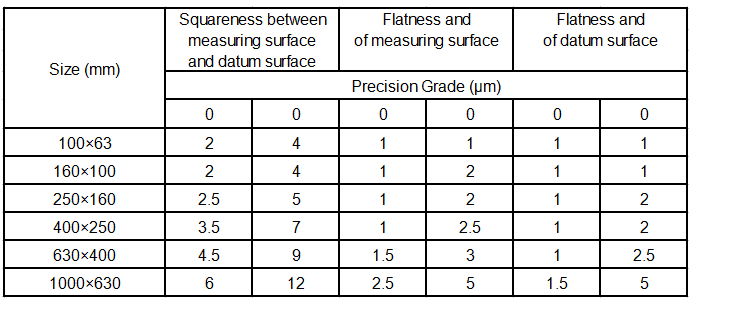
Versatile Right Angle Ruler for Precise Sewing Measurements and Crafting Precision Techniques
The Essential Right Angle Ruler for Sewing A Must-Have Tool for Every Seamstress Sewing is an art th
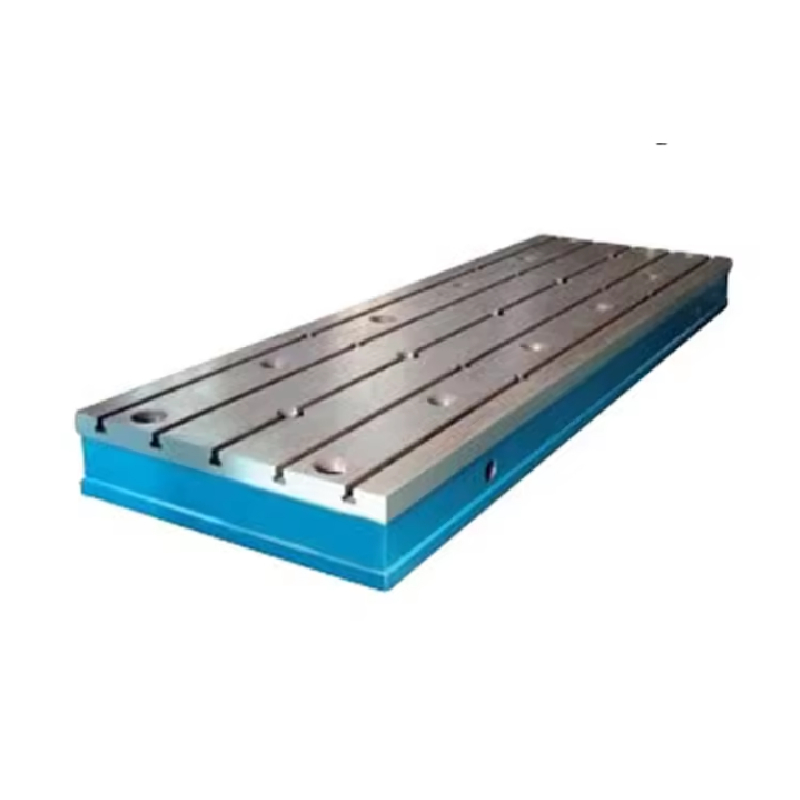
Welding table provider
Welding Table Suppliers Essential Partners for Precision Welding In the realm of industrial fabric
 English